In the rapidly evolving industrial landscape of 2026, the demand for high-pressure boiler tubes has reached unprecedented levels, driven by the expansion of energy infrastructure and the increasing reliance on efficient power generation systems. These tubes, known as 高压锅炉管, are critical components in power plants, oil refineries, and chemical processing facilities, where they endure extreme temperatures and pressures. As the industry grows, selecting the right 高压锅炉管 processing manufacturer becomes a pivotal decision for engineers and procurement managers alike.
市场需求背景
The global energy sector is undergoing a transformation, with a growing emphasis on high-efficiency and low-emission power generation. High-pressure boiler tubes are the backbone of these systems, responsible for transporting superheated steam at temperatures exceeding 500°C and pressures up to 175 MPa. According to the International Energy Agency, the world's energy demand is projected to rise by 25% by 2030, necessitating a substantial increase in the production of high-quality boiler tubes. This surge in demand has intensified competition among manufacturers, making it essential to identify suppliers who can meet stringent quality and performance standards.
Moreover, regulatory changes and environmental concerns have led to the adoption of advanced materials and manufacturing techniques. For instance, the shift toward ultra-supercritical power plants requires tubes made from chromium-molybdenum alloys, which can withstand even higher temperatures and pressures. This evolution in technology has created a niche market for specialized 高压锅炉管 processing manufacturers who can produce tubes with tailored properties.
产品详细介绍
High-pressure boiler tubes are available in various specifications, depending on the application requirements. Common types include seamless and welded tubes, with seamless tubes being preferred for high-pressure applications due to their superior mechanical properties. These tubes are typically made from carbon steel, low-alloy steel, or stainless steel, with dimensions ranging from 10 mm to 273 mm in diameter and wall thicknesses from 1.0 mm to 50 mm.
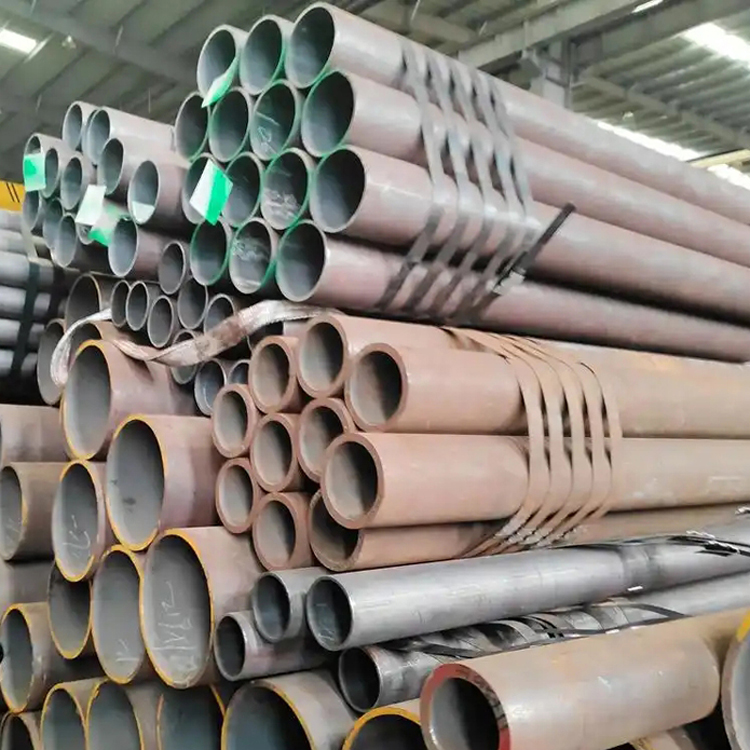
The 高压锅炉管 used in power plants must comply with international standards such as ASTM A335, ASTM A106, and DIN 17175. These standards specify the chemical composition, mechanical properties, and manufacturing processes. For example, ASTM A335 Grade P11 tubes are commonly used in superheater and reheater sections of boilers due to their high-temperature strength and corrosion resistance. Key parameters include yield strength, tensile strength, elongation, and hardness, all of which must be within tight tolerances to ensure safe and reliable operation.
性能优势说明
Leading 高压锅炉管 processing manufacturers leverage advanced technologies to enhance the performance of their products. One of the key innovations is the implementation of precision welding techniques, which minimize defects and ensure consistent quality. For instance, laser welding and friction stir welding are used to produce seamless tubes with superior mechanical properties and flaw tolerance.
Another significant advancement is the adoption of advanced heat treatment processes, such as quenching and tempering, which improve the toughness and fatigue resistance of the tubes. Some manufacturers also incorporate micro-alloying elements like vanadium and niobium to enhance the high-temperature performance of the tubes. These innovations not only extend the service life of the tubes but also reduce maintenance costs for power plant operators.
Additionally, many 高压锅炉管 suppliers offer customized solutions, including surface treatments and coatings that enhance corrosion resistance. For example, nitriding treatments can increase the wear resistance of the tubes, while ceramic coatings can protect against high-temperature oxidation. These features make high-quality 高压锅炉管 indispensable in demanding industrial applications.
客户应用案例
One notable example of the application of high-quality 高压锅炉管 is in the ultra-supercritical power plant in Southern China. The plant, with a capacity of 1,000 MW, uses 高压锅炉管 from a leading manufacturer to transport superheated steam at temperatures of 600°C and pressures of 320 MPa. The tubes, made from a chromium-molybdenum alloy, have demonstrated exceptional performance, with no failures reported in the first five years of operation.
In another case, an oil refinery in the Middle East relies on high-pressure boiler tubes from the same manufacturer for its desalination plant. The tubes, which are exposed to corrosive saline environments, have been coated with a specialized ceramic layer that prevents corrosion and extends their service life. This has resulted in a 20% reduction in maintenance costs and a 15% increase in production efficiency.
未来发展与总结
As the industrial sector continues to evolve, the demand for high-quality 高压锅炉管 will remain strong. Future developments in this field will likely focus on the use of new materials, such as nickel-based alloys, which can withstand even higher temperatures and pressures. Additionally, advancements in manufacturing techniques, such as 3D printing and additive manufacturing, may revolutionize the production of 高压锅炉管, making it faster and more cost-effective.
In conclusion, selecting the right 高压锅炉管 processing manufacturer is crucial for ensuring the reliability and efficiency of industrial systems. By choosing a supplier with a proven track record of quality, innovation, and customer service, companies can mitigate risks and maximize the performance of their equipment.
For businesses seeking high-quality 高压锅炉管, companies like Tianjin Xingyilong Iron and Steel Co., Ltd. offer specialized solutions tailored to meet the most demanding industrial requirements. With a commitment to excellence and a focus on continuous improvement, these suppliers play a vital role in supporting the growth and development of the energy sector.